Non-Stick vs Hard-Anodised vs Cast Iron: Which Kadai Should You Buy?
Confused between non-stick, hard-anodised and cast iron kadai? Here's how the three compare on heat, durability, oil use and Indian cooking styles.

The kadai you use every day shapes your food more than the recipe. Here is the honest comparison we give walk-in customers at our SBR showroom.
Non-stick (Teflon / granite)
Best for low-oil daily cooking — poha, upma, dosa, omelettes. Needs wooden or silicone spatulas and low-to-medium flame. Coating lasts 2–4 years with proper care.
Hard-anodised (black aluminium)
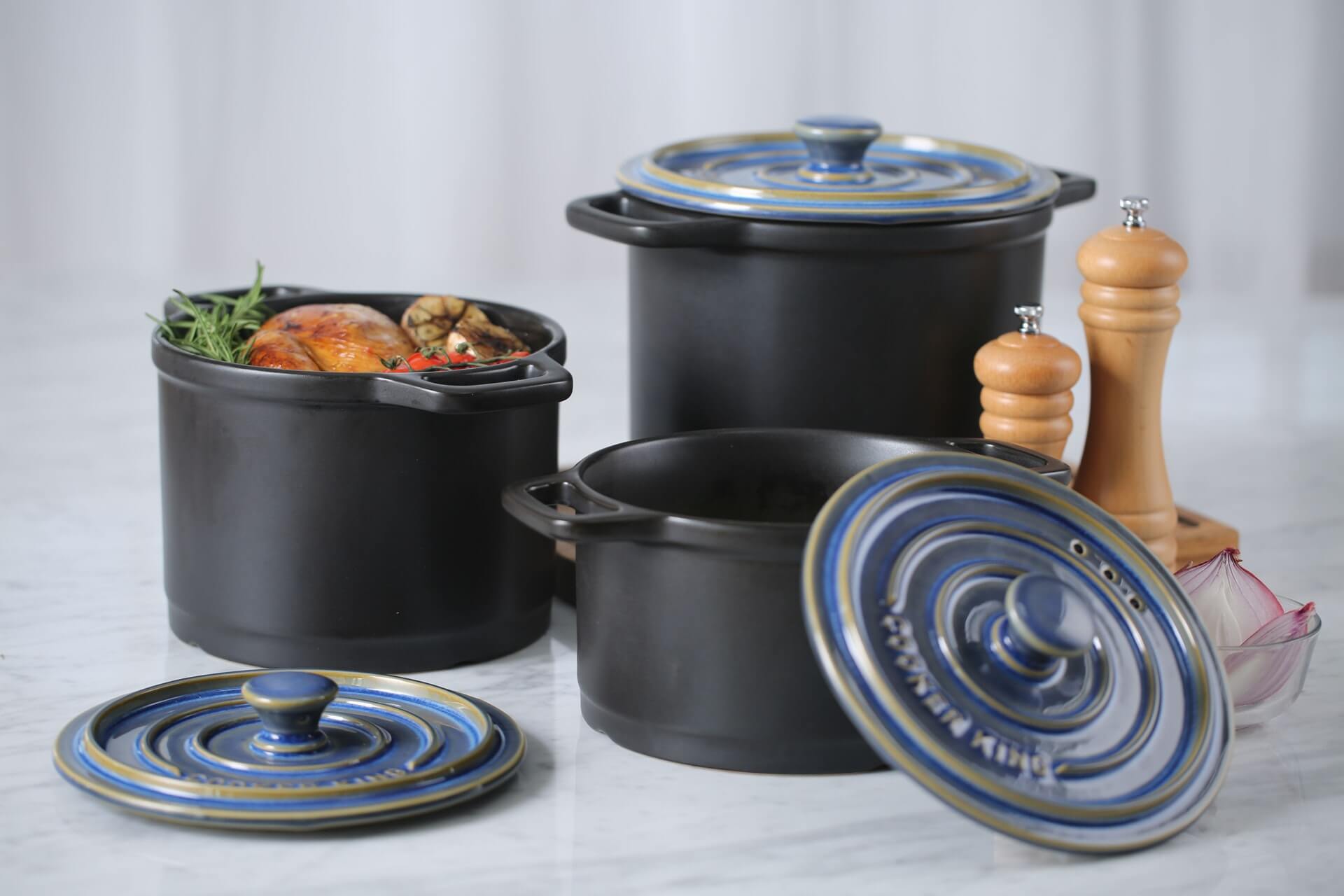
Tougher than non-stick, no coating to peel, handles high heat. Best for stir-fry, sabzi, bhindi and everyday Indian cooking with normal steel spoons.
Cast iron
Heaviest, longest-lasting, adds a tiny amount of dietary iron to food. Needs seasoning and a bit of care but will outlive every other pan you own.
Quick tips
- • Never heat an empty non-stick pan
- • Season new cast iron with 3 rounds of oil + heat
- • Hand-wash hard-anodised — avoid dishwashers
Frequently asked
Which is safest for daily cooking?
Hard-anodised and cast iron are the safest long-term. Modern PFOA-free non-stick is also safe if you avoid overheating.
Which brands do you stock?
Prestige, Hawkins, Wonderchef, Meera and Milton across all three types.
Come see it in person
Every product we write about is on the shelf at one of our 3 Ahmedabad showrooms. Walk in and touch, compare and ask.